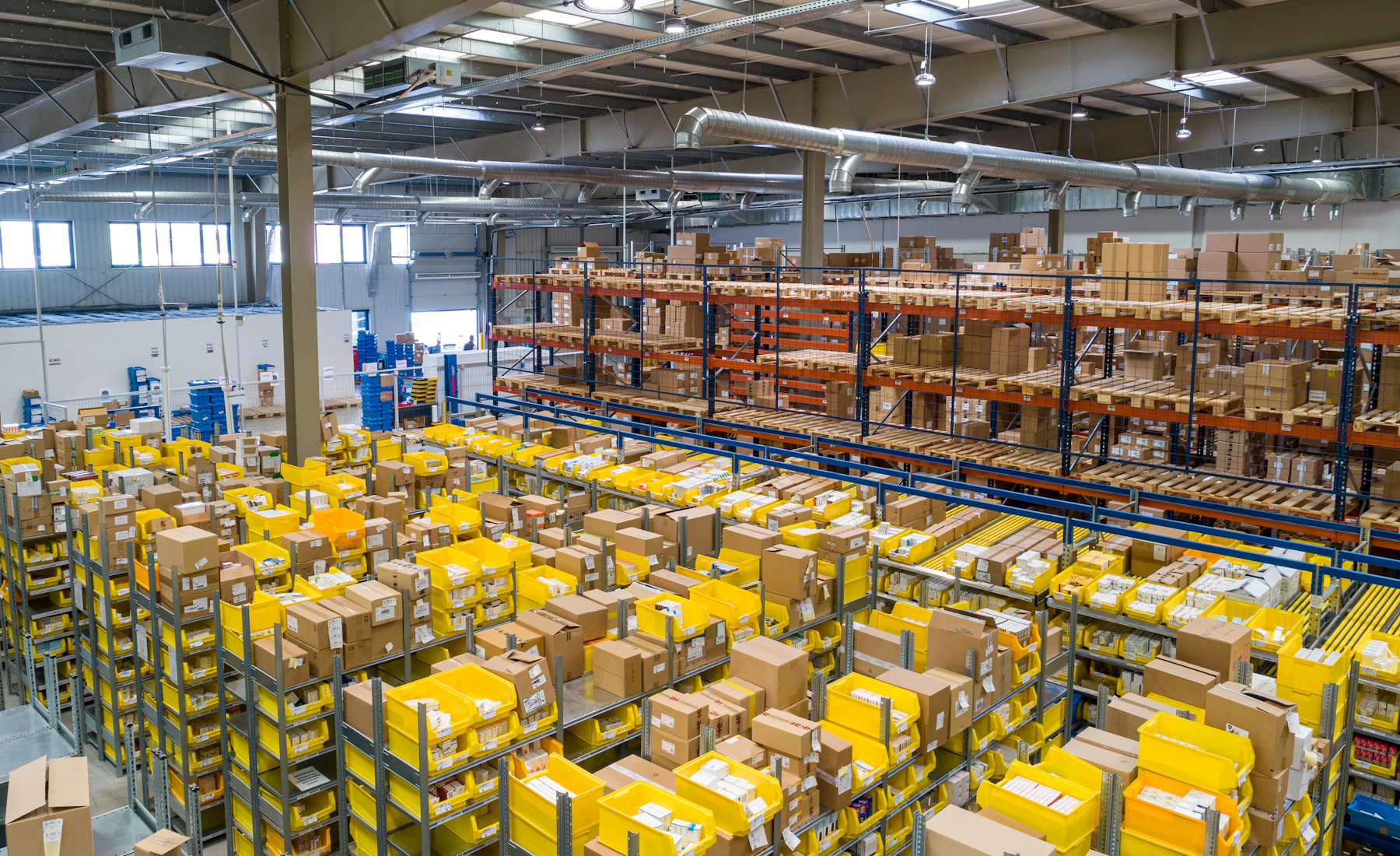
“Clean the warehouse” can mean different things. The scope represented here is ordinary cleaning in inactive, accessible areas: restrooms, break rooms, offices, reachable surfaces, trash, and clear floor areas. Hazardous or industrial-process work, live equipment, loading operations, dock equipment, and compliance-controlled tasks are outside the website’s represented scope unless separately verified.
Floors and docks
Ordinary floor work may include sweeping, vacuuming, and washing clear floor areas when separately confirmed for the surface. It does not include coatings, restoration, oil or chemical cleanup, runoff-controlled work, pits, electrical rooms, or moving equipment or product. General floor-care limits are described under floor cleaning.
Docks, dock plates, trailers, loading bays, machinery, forklifts, conveyors, chargers, panels, and operational areas are outside the represented scope. This page does not claim lockout, equipment-operation, industrial, hazardous-material, or regulatory qualifications.
Rooms people use
A small office or break area can be listed for ordinary trash, clear reachable surfaces, and floors. Papers, scanners, samples, products, and equipment stay put. Reachable interior glass can be included. High racking, elevated work, lifts, climbing, pits, tanks, silos, vaults, and confined spaces are outside the website’s represented scope unless separately verified.
What stays out
Hazardous materials, chemicals, oils, batteries, unknown containers, spills beyond ordinary food or drink in a break area, live equipment, shutdown work, process lines, and regulated waste are outside the represented scope. Office-side ordinary cleaning can instead follow a limited janitorial or office cleaning list.
Typical night list
Adjust this list to the building. A 20,000-square-foot lane and a small storage bay are not the same hour count. The quote should name square footage in plain language, the number of restrooms, and whether a break room and a dock are in or out. Product on the floor is not a surface we shove aside.
- Restrooms: fixtures, partitions, floors, and dispensers restocked from your supplies when that task is listed.
- Break room tables, counters, sink, floor, and the exterior of the microwave and refrigerator.
- Clear, inactive floor areas swept, vacuumed, or washed only when separately confirmed for the surface.
- Trash from restrooms, break rooms, and the cans on the route, to the dumpster you assign.
- Interior glass and ledges that can be reached from the floor.
- A named office or mezzanine, if the scope includes it, without moving paperwork.
- Entry mats and the path from the employee door to the time clock, when that path is in the route.
Questions
No. Hazardous materials, industrial spills, chemicals, oils, batteries, regulated waste, and unknown containers are outside the website’s represented scope. Only ordinary food or drink cleanup in an included office or break area is represented.
No. Confined spaces, live equipment, machinery, operational loading areas, shutdown work, lockout work, and compliance-controlled tasks are outside the website’s represented scope unless separately verified.
Only clear surfaces reachable from the floor are represented. Racking, elevated work, lifts, climbing, equipment, sprinkler lines, and stored product are outside this scope.
No. Remodel dust, construction debris, stickers, rough cleans, final cleans, contractor work areas, and hauling are outside this ordinary warehouse-office and support-area scope.