Suites and floors
The rooms people use
Office cleaning services are easier to judge if you walk the suite the way a visitor does. The conference table is noticed first. The kitchen explains whether anyone maintained it yesterday. The restroom closest to reception decides the impression more reliably than a dusted credenza in a closed office. BRERH writes the visit around those rooms, plus trash and the glass people touch, instead of around a single phrase like “general clean.” Commercial office cleaning still has to name the floor, the nights, and the things we will not move. A pretty sentence does not empty a bin.
Desks and open work surfaces
A desk is where the work lives, which is why it is also where a cleaner can do the most harm by being helpful. We dust and wipe surfaces that are clear. We do not sort paper, open drawers, or decide that a stack is trash. If your policy is that staff own their desktops, say so and we will limit the pass to the floor, the chair line, and the bin. If you want monitors wiped, say that too, and tell us whether screens are to be left dark and dry. Keyboards collect more than dust. We will not invert them or spray them. A light wipe of the outer shell is a reasonable line when it is written down. Cables, samples, and personal photos stay where they were.
Kitchens and break rooms
Floors in kitchens collect crumbs and whatever the mop missed near the bin. We sweep or vacuum and then damp-mop the hard floor with attention to the tacky film in front of the coffee maker. Mats are shaken or vacuumed if they can be lifted safely. We do not repair disposals, and we do not descale machines unless that maintenance is listed. Tell us where the mop sink is. A kitchen that looks finished and a mop bucket dumped in a restroom sink are not the same standard.
Restrooms
Restrooms are not a leftover. On most office visits they take a serious share of the time, and they should. The work is fixtures, floors, mirrors, partitions where marked, and a restock of paper, soap, and liners from the supply you keep, unless the scope says otherwise. We note when a dispenser is broken instead of forcing it. A second restroom on a far corridor is easy to “save for next time” if the clock is short, which is why the scope should say every restroom on every visit, or it should name a rotation on purpose. Silent rotations are how a neglected room becomes a surprise.
Conference rooms, trash, and glass
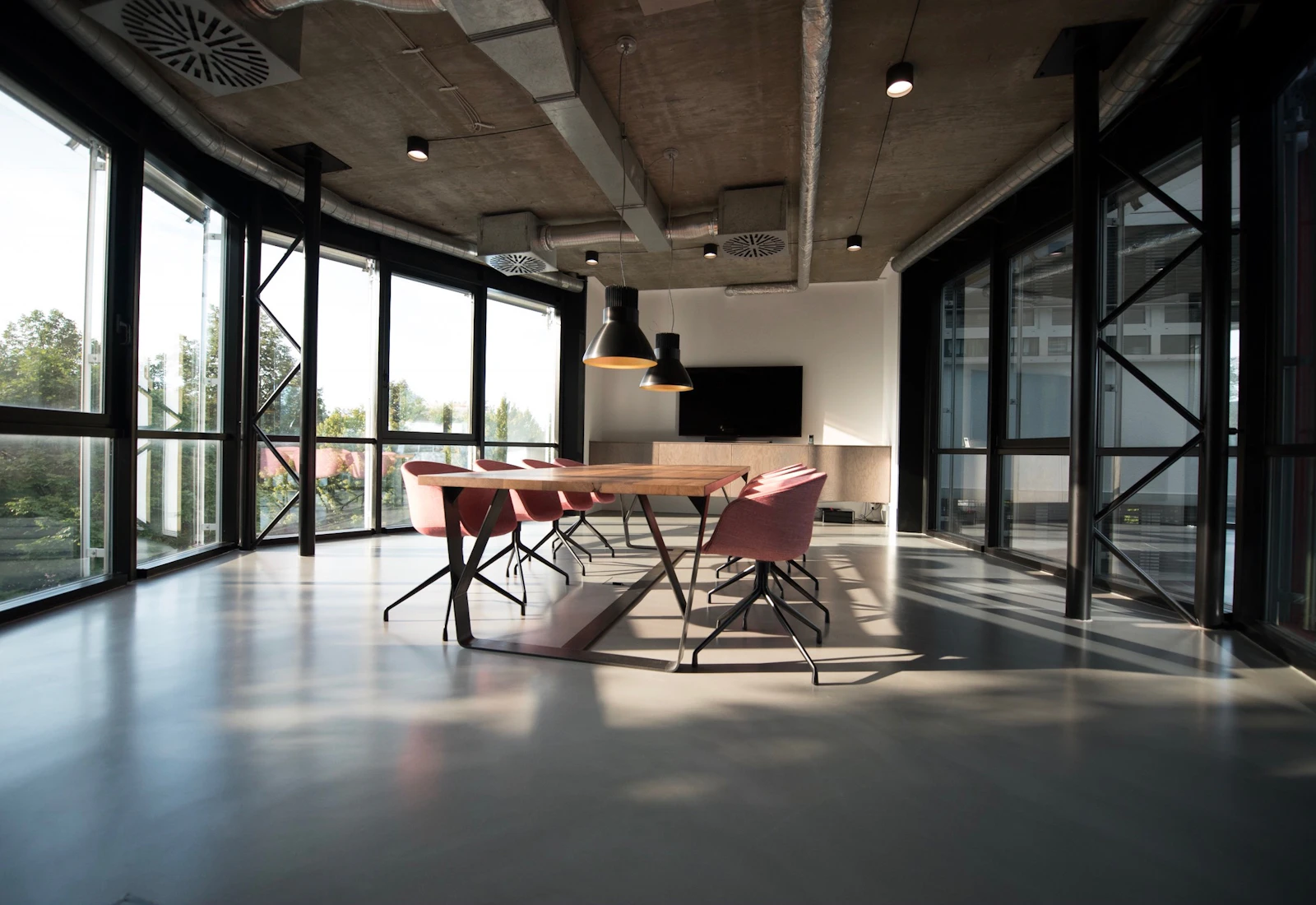
Conference rooms are reset, not redesigned. Cups and disposable plates leave. Tables are wiped. Chairs are pushed in if that is the house style. Whiteboards are erased only when you say so, because a diagram left up may be tomorrow’s meeting. Glass walls and the interior of the door are part of the room if they are on the list. We clean smudges at handle height and the streaks people notice from the corridor. Exterior windows and anything that requires a lift are not part of a standard night. Window cleaning can be discussed as its own visit when the glass is a project rather than a fingerprint.